CNC Manufacturing: Why India’s CNC Manufacturing Boom is Creating New Opportunities for MSMEs
India is witnessing a remarkable transformation in its manufacturing sector, driven by technological advancements, government initiatives, and increasing global demand for precision-engineered products. At the heart of this transformation lies CNC Manufacturing, a technology that has become the backbone of modern production across industries such as aerospace, automotive, medical, electronics, defense, and industrial engineering.
As global companies diversify their supply chains and look toward India as a manufacturing hub, Micro, Small, and Medium Enterprises (MSMEs) are emerging as key beneficiaries. The rise of CNC machining and advanced manufacturing technologies is creating unprecedented opportunities for MSMEs to expand their capabilities, improve quality standards, and compete in both domestic and international markets.
CNC Manufacturing: Driving India’s Manufacturing Revolution
The adoption of CNC (Computer Numerical Control) technology has transformed traditional manufacturing methods into highly precise, efficient, and repeatable production processes.
Unlike conventional machining, CNC Manufacturing enables manufacturers to produce complex components with exceptional accuracy, consistency, and speed. This capability is particularly important in industries where precision is critical, such as aerospace, medical devices, electronics, and automotive systems.
India’s growing manufacturing ecosystem, supported by initiatives such as “Make in India,” Production Linked Incentive (PLI) schemes, and increased foreign investment, has accelerated the demand for CNC-machined components. As a result, MSMEs equipped with CNC capabilities are finding new opportunities to become part of global supply chains.
For businesses looking to understand the capabilities of modern precision machining, visit our About Us page to learn more about Unitek Engineering’s manufacturing expertise.
Why MSMEs Are Benefiting from the CNC Manufacturing Boom
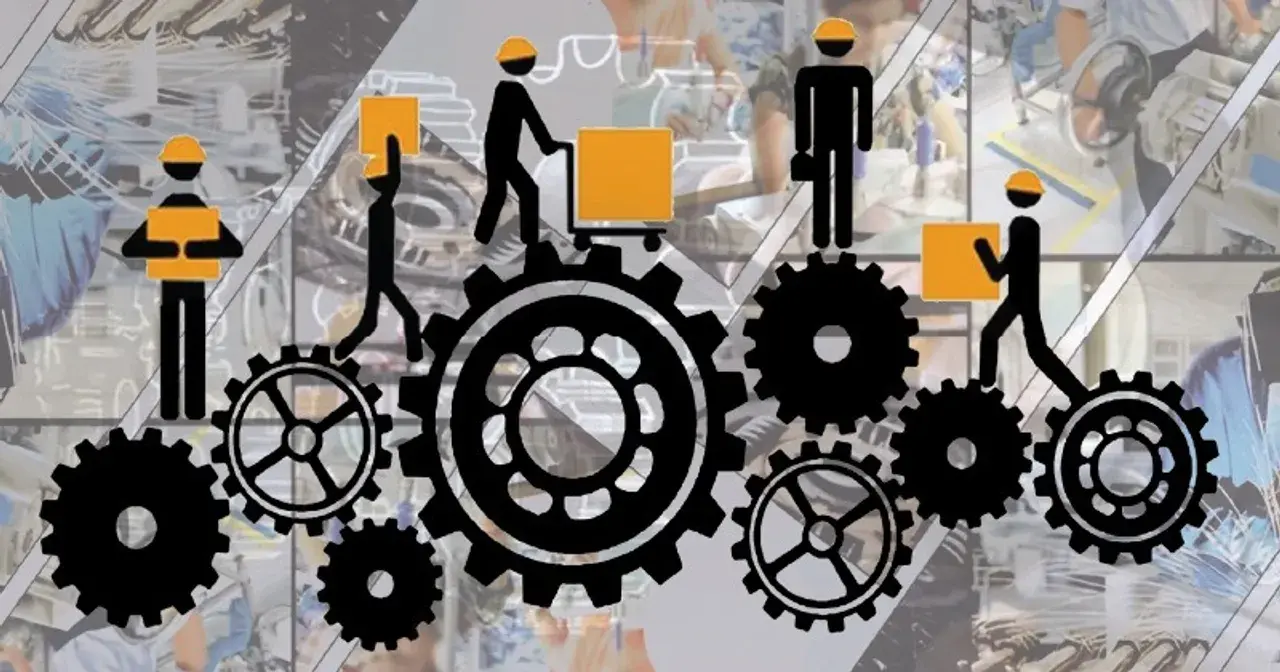
The rapid growth of CNC technology is leveling the playing field for smaller manufacturers. Traditionally, large corporations dominated precision manufacturing due to high capital requirements and technical barriers. Today, advancements in CNC technology are making sophisticated manufacturing more accessible to MSMEs.
Access to High-Value Industries
Modern CNC machines enable MSMEs to manufacture components for sectors that previously required extensive infrastructure and expertise.
These sectors include:
- Aerospace and Defense
- Medical Equipment
- Electronics Manufacturing
- Automotive Components
- Hydraulic Systems
- Oil and Energy Equipment
By meeting strict quality standards, MSMEs can secure contracts from OEMs and Tier-1 suppliers, significantly increasing their revenue potential.
Improved Product Quality
One of the biggest advantages of CNC machining is consistency.
CNC machines follow programmed instructions with minimal variation, ensuring that every component meets exact specifications. This level of precision helps MSMEs compete against larger manufacturers while building trust among customers who require reliable and repeatable quality.
Technology Adoption Is Lowering Barriers to Entry
The cost of CNC technology has become increasingly affordable over the past decade. Additionally, advancements in software, automation, and machine controls have simplified operations, allowing smaller businesses to adopt advanced manufacturing techniques.
Smart Manufacturing and Automation
Modern CNC facilities are increasingly integrating:
- Automated tool changers
- Robotic material handling
- Digital inspection systems
- Production monitoring software
- Real-time machine analytics
These technologies improve productivity while reducing human error and operational costs.
As automation becomes more accessible, MSMEs can increase output without proportionally increasing labor costs, resulting in improved profitability and scalability.
Digital Design and Rapid Prototyping
Computer-Aided Design (CAD) and Computer-Aided Manufacturing (CAM) software have revolutionized product development.
MSMEs can now quickly convert customer concepts into prototypes and production-ready components. Faster development cycles enable businesses to respond more effectively to customer requirements and changing market demands.
To explore precision machining capabilities that support modern product development, visit our Services page.
How Advanced Manufacturing Can Help Solve the Skills Gap
One of the biggest challenges facing the manufacturing industry today is the shortage of skilled workers. However, advanced manufacturing technologies may hold the key to addressing this challenge.
Modern CNC systems simplify many complex machining tasks through automation, intuitive interfaces, and digital workflows. Rather than relying solely on years of manual machining experience, operators can now be trained on software-driven systems that reduce complexity and improve productivity.
Training programs focused on CNC programming, CAD/CAM software, machine operation, and quality control are creating a new generation of manufacturing professionals.
Advanced manufacturing helps bridge the skills gap by:
- Reducing dependency on manual processes
- Simplifying complex machining operations
- Supporting digital learning and training
- Enhancing worker productivity
- Creating attractive technology-focused careers
As younger professionals seek careers involving technology and innovation, CNC manufacturing offers an appealing pathway into the manufacturing sector.
Export Opportunities for Indian MSMEs
Global manufacturers are actively seeking reliable suppliers outside traditional manufacturing centers. India’s growing reputation for quality engineering, competitive pricing, and technical expertise positions its MSMEs to capture a larger share of international business.
With CNC manufacturing capabilities, Indian MSMEs can produce export-quality components that meet international standards and certifications.
Key export opportunities include:
- Precision-machined aerospace components
- Medical equipment parts
- Industrial automation components
- Hydraulic systems
- Automotive parts
- Electronic enclosures and assemblies
By investing in quality systems, process control, and advanced manufacturing technologies, MSMEs can establish themselves as trusted global suppliers.
The Road Ahead for India’s Manufacturing Sector
The future of Indian manufacturing looks promising. Industry experts expect continued growth in precision engineering, automation, Industry 4.0 technologies, and advanced CNC machining.
MSMEs that invest in CNC technology today will be well-positioned to capitalize on emerging opportunities tomorrow. Those who embrace digital transformation, automation, and quality-focused manufacturing practices will gain a competitive advantage in both domestic and international markets.
At Unitek Engineering, we believe that precision manufacturing is not just about producing components—it’s about creating opportunities, driving innovation, and supporting the growth of India’s manufacturing ecosystem.
Conclusion
India’s CNC manufacturing boom is creating exciting opportunities for MSMEs across multiple industries. Through precision machining, automation, digital manufacturing, and advanced engineering capabilities, small and medium-sized manufacturers can now compete on a global scale.
As the demand for high-quality machined components continues to grow, MSMEs that embrace CNC technology will play a vital role in shaping the future of Indian manufacturing.
Learn more about Unitek Engineering on our About Us page, explore our precision machining Services, and stay connected by following us on Instagram for the latest manufacturing insights, technology updates, and project highlights.